
Restoring Structural Stability to Damaged Perimeters
Fence Repair in Appleton for leaning posts, broken panels, and aging systems losing functional integrity
Fence sections leaning after frost heave, gates dragging across uneven ground, and pickets broken from storm debris all compromise property security and appearance. Vargas Quality Fencing repairs wood, vinyl, chain-link, ornamental, and agricultural fencing across residential and commercial properties in Appleton, replacing damaged components with materials matched to existing systems. Repair work addresses both visible damage and underlying structural issues—posts rotted below grade, hardware corroded past functional use, and panels sagging from inadequate bracing.
The repair process begins with identifying whether damage stems from installation defects, weather exposure, impact events, or normal aging beyond the material's lifespan. Posts showing rot at the base get replaced with treated lumber or galvanized steel set in concrete below the frost line, and panels with multiple broken pickets are often replaced entirely rather than patched with mismatched boards. Chain-link sections lose tension when corner posts shift, requiring re-tensioning and sometimes post replacement to restore the original taut appearance.
Request a free fence repair assessment to determine whether targeted repairs or full section replacement better addresses your current damage.
What Gets Fixed and What Gets Replaced
Individual broken pickets, damaged gate latches, and single leaning posts often qualify for repair using materials that match the existing fence style and finish. Sections with extensive rot, multiple leaning posts, or panels damaged beyond individual board replacement typically require full removal and reinstallation to restore long-term stability. The decision depends on how much of the original structure remains sound and whether repairs would only delay replacement by a season or two.
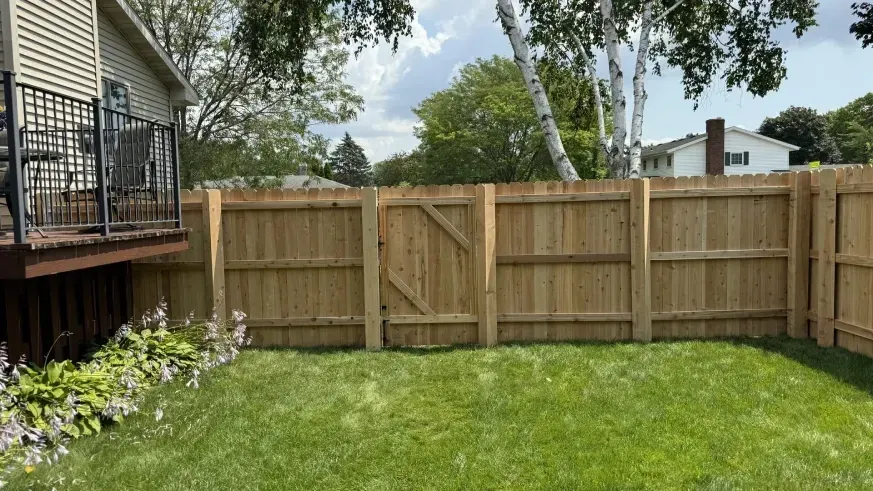
After repairs finish, gates swing without resistance, fence lines return to plumb vertical alignment, and replaced panels match the height and spacing of existing sections. Hardware operates smoothly without rust buildup, and new posts remain stable through seasonal ground movement. Clean work areas and complete debris removal ensure your property looks maintained rather than patched, with repairs blending into the existing fence system.
Repair timelines depend on material availability and weather conditions—vinyl panel replacements require factory-matched colors, and concrete footings need adequate cure time before bearing load. Honest recommendations during the assessment prevent spending repair costs on systems that will fail again within two years due to widespread aging or installation defects that can't be corrected without full replacement.
Common Repair Questions from Property Owners
Repair decisions involve balancing immediate costs against long-term durability, so understanding what causes fence failure helps determine the right approach.
What causes fence posts to lean after several years?
Wisconsin freeze-thaw cycles push against posts set above the frost line or without concrete footings, and the repeated ground movement gradually shifts posts out of plumb until panels sag and gates no longer align with latches.
How are broken pickets replaced in wood fencing systems?
Individual pickets are removed by cutting fasteners or prying boards from rails, and replacement boards are cut to match the existing height and attached using galvanized screws or nails that resist corrosion in treated lumber.
When does a sagging gate require post replacement instead of hinge adjustment?
Gates that sag due to worn hinges can be repaired with new hardware, but gates sagging because the support post has shifted or rotted at the base require post replacement to restore the structural foundation needed for smooth operation.
What happens to surrounding fence sections during post replacement?
Adjacent panels are temporarily braced or removed to allow access for digging out the damaged post and setting a new foundation, then reinstalled with original or replacement hardware depending on condition.
How long do repaired fence sections last compared to original installation?
Repairs using proper materials and installation techniques—concrete footings, galvanized hardware, treated lumber—last as long as the surrounding original sections, but repairs on systems already past their functional lifespan only delay eventual full replacement.
Responsive scheduling and dependable communication throughout the repair process ensure you understand what work is being done and why specific components require replacement rather than minor fixes. Vargas Quality Fencing provides free fence repair assessments to evaluate damage and recommend solutions that restore both appearance and structural stability.