
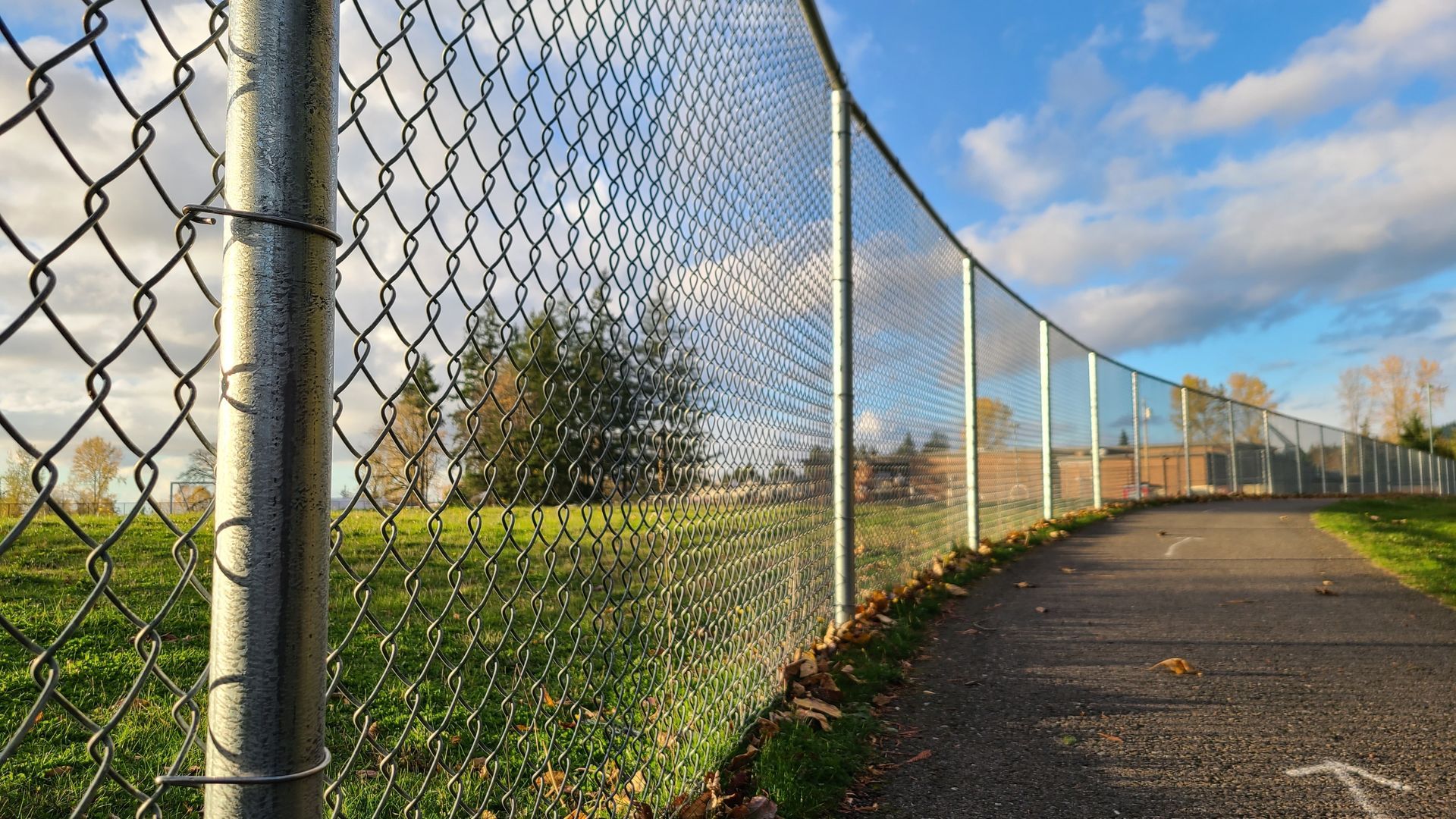
Sports Perimeter Systems Designed for Public Use
Athletic Field Fence Installation in Appleton for baseball fields, sports complexes, and recreational facilities requiring safety and crowd control
Athletic facilities at schools, parks, and recreational complexes face unique fencing demands that combine spectator safety, ball containment, and durability under constant public use. Backstops must stop high-velocity baseballs while allowing visibility for spectators, and perimeter fencing prevents errant balls from reaching parking areas or adjacent fields. Vargas Quality Fencing installs chain-link systems with galvanized steel posts engineered for athletic environments, using fabric heights and mesh specifications that address the specific hazards and performance requirements of each sport and facility layout.
Project planning involves coordination with facility managers to minimize disruption during active seasons and ensure installations align with field dimensions, dugout placements, and spectator areas. Posts are set at least four feet deep and anchored in concrete footings sized to handle wind load on tall backstops and the impact forces from balls, equipment, or accidental player contact during games. Fabric tension and top rail reinforcement prevent sagging that creates gaps or reduces the fence's protective function.
Request a project estimate to review backstop heights, perimeter configurations, and gate placements suited to your facility's sport and usage patterns.
What Separates Recreational Fencing from Residential Systems
Athletic field installations require larger post diameters, heavier fabric gauges, and structural bracing that residential fencing doesn't need because the fence must absorb repeated ball impacts and resist vandalism or climbing attempts without compromising safety. Backstop heights typically reach twelve to twenty feet depending on field size and age groups using the facility, with overhead protection extensions preventing foul balls from clearing the fence. Gate widths accommodate maintenance equipment access to fields, and latching hardware withstands the frequent operation that occurs during practices, games, and grounds maintenance cycles.
Once complete, the fence system provides clear boundary definition for multiple fields, protects spectators from errant balls, and contains play within designated areas without obstructing sight lines for coaches or officials. The galvanized finish resists the accelerated corrosion that develops on fencing exposed to irrigation overspray, fertilizer contact, and the increased moisture common near maintained turf areas. Vargas Quality Fencing delivers installations with attention to precise alignment, secure fabric attachment, and clean site conditions maintained throughout the project duration.
Licensed and insured service backed by over 25 years of experience ensures that projects meet safety standards and structural requirements for public facilities. Responsive communication throughout the installation process keeps facility managers informed of progress and addresses any site condition adjustments needed as work proceeds.
What Facility Managers Usually Ask
Schools and park districts often focus on safety compliance, project timelines that avoid disrupting sports schedules, and long-term maintenance requirements for public-use fencing.
What fabric height stops baseballs effectively?
Backstops typically need twelve feet minimum behind home plate, with additional overhead protection preventing balls from clearing the top, while outfield perimeter fencing usually requires six to eight feet depending on field dimensions and surrounding hazards.
How are installations scheduled around active sports seasons?
Projects are planned during off-seasons or facility closures when field access is unrestricted, though emergency repairs or additions can proceed with careful coordination to isolate work zones from active playing areas.
What gate access do fields require?
Maintenance equipment like mowers, graders, and utility vehicles need gate openings at least ten feet wide, and multiple access points reduce the distance grounds crews must travel when moving equipment between fields.
Why does athletic fencing cost more than residential chain-link?
Heavier gauge fabric, larger diameter posts, taller heights, and the structural bracing required for backstops all increase material costs, while project coordination and public facility site requirements add complexity compared to straightforward residential perimeter work.
What distinguishes quality installations from budget alternatives?
Look for posts that remain plumb without lean, fabric tensioned evenly without waves or sag, top rails continuous without joints sagging between posts, and gate frames reinforced adequately to prevent racking or hinge failure under repeated use across Appleton facilities.
Vargas Quality Fencing completes athletic field installations with professional coordination, careful planning, and the structural attention required for safe, long-lasting performance in public recreational environments. Schools and facility managers can schedule a consultation by calling (920) 570-9328 to discuss project specifications and obtain detailed estimates.