
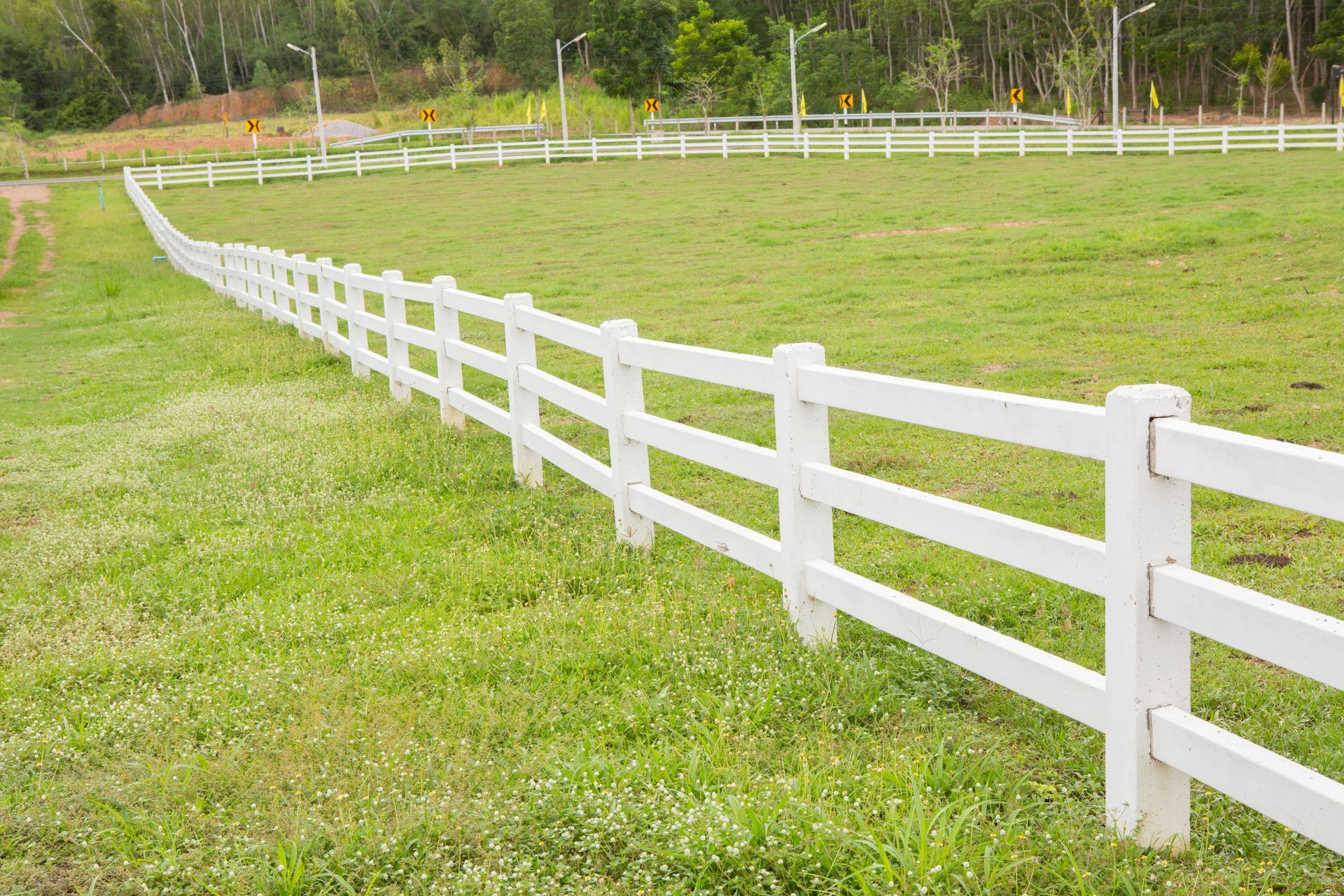
Field and Livestock Fencing Built for Rural Conditions
Agricultural Fence Installation in Appleton for farms, livestock containment, and rural property boundaries requiring long-term durability
Rural properties throughout the Appleton area and surrounding communities need fencing systems that withstand livestock pressure, resist weather exposure across open fields, and maintain boundary integrity without frequent repair cycles. Agricultural fencing differs from residential installations in post spacing, fabric type, and bracing requirements designed to handle animal impact and the structural stress of long, unsheltered fence runs. Vargas Quality Fencing uses galvanized steel posts driven deep into the ground to anchor woven wire, high-tensile smooth wire, or barbed wire systems that remain taut and functional through years of heavy use and seasonal ground movement.
Installation planning accounts for terrain variations, gate locations for equipment access, and corner bracing systems that resist the pull from tensioned wire stretching hundreds of feet between terminal points. Posts are spaced according to wire type and terrain conditions, with closer intervals on rolling ground where fence lines follow grade changes. The deep-set installation standard prevents frost heave and keeps posts vertical even when soil saturates during spring thaw or after heavy rainfall.
Arrange a property walkthrough to identify boundary lines, discuss livestock containment needs, and review wire configurations appropriate for your operation.
Why Agricultural Systems Are Built Differently
Farm fencing must accommodate equipment passage, resist animal testing behavior, and remain functional without the aesthetic considerations that drive residential fence design. Woven wire with graduated spacing keeps small animals contained while allowing visibility across pastures, and high-tensile smooth wire provides economical coverage for large acreage with minimal material cost per linear foot. Barbed wire configurations deter livestock from leaning or rubbing against fence lines, reducing the maintenance caused by loosened staples or bent posts.
After installation, you'll see fence lines that follow property boundaries precisely, gates wide enough for tractor and trailer access, and corner assemblies braced to handle wire tension without pulling posts out of plumb. The fencing remains tight without sagging between posts, and livestock quickly learn the boundaries after initial testing. Vargas Quality Fencing conducts final walkthroughs on every agricultural project to confirm wire tension, gate operation, and post stability meet the performance standards required for working farms.
Projects are scheduled with respect for farm operations, avoiding conflicts with planting, harvest, or critical livestock management periods when equipment access to fields becomes restricted. Honest communication about timelines and any site condition challenges ensures that installation progresses without unexpected delays or unfinished sections.
Questions Before Starting Your Project
Agricultural fencing questions typically address wire selection, installation methods for challenging terrain, and long-term performance expectations under heavy use.
What wire type works best for cattle containment?
High-tensile smooth wire with four to five strands spaced appropriately for animal size provides effective containment at lower cost than woven wire, though woven wire better contains smaller livestock like sheep or goats that might slip through wider strand spacing.
How are posts installed on uneven or rocky ground?
Driving posts into rocky soil may require pre-augering holes or using shorter posts set in concrete, while steep slopes need closer post spacing to prevent wire from lifting off the ground at low points in the terrain.
What makes corner bracing critical in agricultural fencing?
Terminal posts at corners and ends must resist the combined tension of all wire strands pulling in opposite directions, requiring diagonal brace assemblies that transfer this load into the ground rather than allowing posts to lean inward over time.
When should I plan fence installation around farm schedules?
Spring and fall avoid conflicts with planting and harvest, though installations can proceed during summer if field access remains available and doesn't interfere with crop growth or equipment movement through the work area.
Why choose galvanized steel posts over wood for farm fencing?
Steel posts don't rot at the soil line, resist impact damage from livestock or equipment better than wood, and eliminate the termite or woodpecker damage that shortens wooden post lifespan in rural settings across Wisconsin.
Vargas Quality Fencing brings over 25 years of experience to agricultural fence projects, with owner involvement ensuring that every installation meets the dependability and structural standards working farms require. Contact (920) 570-9328 to schedule a free consultation for your agricultural fencing needs.